
Somatic Experiencing® Professional Training
Nervous System Healing • Trauma Resolution • Mind–Body Integration
A Nervous System–Based Approach to Trauma and Stress
This professional training invites you to deepen your capacity to work with trauma and long-term stress by understanding how the nervous system responds to overwhelming experiences. Rather than prioritizing narrative, diagnosis, or symptom management alone, the learning emphasizes physiological regulation, safety, and embodied awareness as essential foundations for sustainable change.
Somatic Experiencing® was developed by Dr. Peter A. Levine, a psychologist and trauma researcher. Drawing on decades of interdisciplinary study in psychology, neuroscience, biology, and somatic awareness, his work emphasizes that trauma arises not from the event itself, but from an overwhelmed nervous system unable to complete natural survival responses—an insight that led to this body-based approach to trauma healing.
SOMATIC EXPERIENCING® PROFESSIONAL TRAINING
Program Overview
Somatic Experiencing® is a powerful body-based method that helps individuals resolve trauma by working with the nervous system rather than reliving painful experiences. SE supports the body’s natural capacity to regulate, restore balance, and build resilience.
The Somatic Experiencing® training combines conceptual learning with theoretical foundation for understanding trauma physiology, while remaining strongly rooted in experiential learning. Participants develop practical skills that can be applied immediately, while also cultivating the self-regulation and presence essential for ethical trauma-informed work.
LEARNING METHODS INCLUDE:
- Interactive teaching and discussion
- Live demonstrations
- Guided partner and small-group practice
- Case examples and reflective inquiry
- Optional recommended readings for deeper study
Because embodied learning is central to this work, participants are encouraged to develop their own somatic awareness and regulation capacity alongside professional skill development.
Training schedule:
19The professional training is sequential, and each level builds upon the previous one. Completion of a two-day introductory workshop (Introduction to Somatic Experiencing®) is required prior to enrolling in the Beginning Level. This introductory program provides an overview of SE principles and supports informed entry into the full training.
- Introductory Workshop (Prerequisite)
Introduction to Somatic Experiencing® Online
May 16-17, 2026 – 10am to 5pm GST
September 30-October 1, 2026 – 10am to 5pm GST
December 12-13, 2026 – 10am to 5pm GST - Beginning Level – Year One
Module 1: March 24-30, 2027
Module 2: September 15-21, 2027 - Intermediate Level – Year Two
Module 1: January 19-25, 2028
Module 2: October 5-11, 2028 - Advanced Level – Year Three
Module 1: February 21-27, 2029
Module 2: September 19-25, 2029
FEES:
Each level is priced separately and includes both modules.
Early Bird: 14,500 AED + VAT (first 5 seats per level, or by the deadlines below:
- Beginning Level – January 27, 2027
- Intermediate Level – November 23, 2027
- Advanced Level – December 27, 2028
Regular: 16,000 AED + VAT
Flexible payment options via Tabby and other providers.
Language:
- English with Arabic Live translation
Requirements to apply:
- You must have attended the Introductory Workshop and submit your application before the deadline – January 10, 2027
The Somatic Experiencing® Professional Training is delivered in three progressive levels, allowing skills and understanding to develop gradually over time. Each level combines theory, experiential learning, and guided practice, supporting both professional application and practitioner capacity. The Somatic Experiencing® Professional Training follows a structured, sequential curriculum designed to support gradual learning and integration over time.
- The full training consists of six-day modules delivered over three years (12 days each year).
- Modules are taken in sequence, allowing concepts and skills to build progressively
- Each module integrates lecture-based teaching, live demonstration, and guided practice with fellow participants
This extended format supports depth of learning, professional integration, and the development of practitioner capacity.
As part of the Somatic Experiencing® program requirements, students are required to complete 18 credits of supervision and 15 credits of personal therapy sessions to support the integration of theory into embodied clinical practice. Supervision provides essential guidance, case consultation, and professional feedback to deepen understanding of nervous system regulation and trauma resolution skills. Personal therapy sessions offer an opportunity for self-exploration and direct experience of Somatic Experiencing principles, strengthening self-regulation and practitioner presence. Please note that the costs for supervision and personal therapy sessions are not included in the training tuition and are the responsibility of the participant.
The Beginning Level introduces the core principles of Somatic Experiencing® and establishes a foundational understanding of trauma as a physiological process. Participants learn to recognize how the autonomic nervous system responds to threat and how incomplete survival responses contribute to ongoing symptoms.
This level focuses on developing:
- An understanding of trauma and stress physiology
- The ability to track sensation and bodily responses
- Awareness of defensive responses such as fight, flight, freeze, and shutdown
- Skills for supporting nervous system regulation and completion
- Safe pacing and modulation of activation
- Early integration of polyvagal concepts
- Application of the SIBAM framework as a lens for experience
- Boundary awareness and stabilization skills
- Brief, practical interventions that support symptom reduction
- Considerations for integrating SE principles into professional practice
- Introductory understanding of touch within appropriate scope of practice
The Intermediate Level expands clinical understanding by exploring distinct categories of trauma and how they present within the nervous system. Participants learn to assess patterns of activation, collapse, and defensive organization, and to tailor interventions accordingly.
This level includes learning related to:
- Early and developmental trauma
- High-intensity and life-threatening experiences
- Accidents, injuries, and medical trauma
- Inescapable or overwhelming events
- Natural disasters, war, and collective trauma
- Emotional and relational trauma
Participants deepen their capacity to recognize trauma-specific patterns and apply SE principles with increased precision and clinical confidence.
The Advanced Level focuses on working with complex trauma presentations and syndromal patterns, emphasizing stabilization, coherence, and practitioner skill refinement.
Learning themes include:
- Stabilization and pacing with complex and highly sensitive clients
- Advanced application of nervous system regulation principles
- Deepening understanding of autonomic dysregulation and syndromes
- Polyvagal theory as it relates to complex presentations
- Refinement of titration and pendulation skills
- Working with eye orientation and visual responses
- Expanded use of SE touch within scope of practice
- Working with joints, diaphragms, and visceral support
- Ethical and professional considerations in advanced application
This approach is widely used by:
- Psychotherapists & counselors
- Coaches & facilitators
- Medical & mental health professionals
- Yoga teachers, bodyworkers & wellness practitioners
Clinicians and practitioners often apply these principles when working with:
- Post-traumatic stress and developmental trauma
- Anxiety, depression, and affect regulation difficulties
- Chronic stress, burnout, and nervous system dysregulation
- Psychosomatic and functional symptoms
- Chronic pain and trauma-related musculoskeletal patterns
- Attachment and relational difficulties
This work complements existing therapeutic modalities, enhancing depth, pacing, and treatment outcomes.
Somatic Experiencing® principles support:
- Greater emotional and nervous system regulation
- Increased resilience and stress tolerance
- Reduction of trauma-related and somatic symptoms
- Improved capacity for relational and developmental work
- Support in complex medical or chronic pain presentations
TEACHERS
Shideh Lennon, Ph.D, SEP™
Shideh Lennon, Ph.D., is a clinical psychologist, trauma specialist, and faculty member with Somatic Experiencing International. Born and raised in Iran, she left at age 13 with her family following the revolution, later immigrating to the United States.
This history continues to shape her work, giving her a lived understanding of both individual and collective trauma. Her approach emphasizes reconnecting with the body’s inherent capacity to regulate, heal, and restore a sense of belonging without overriding experience.
Dr. Lennon is licensed in New York and Virginia and maintains a private practice, where she works with a diverse population. She specializes in complex, developmental, and collective trauma, and teaches nationally and internationally.

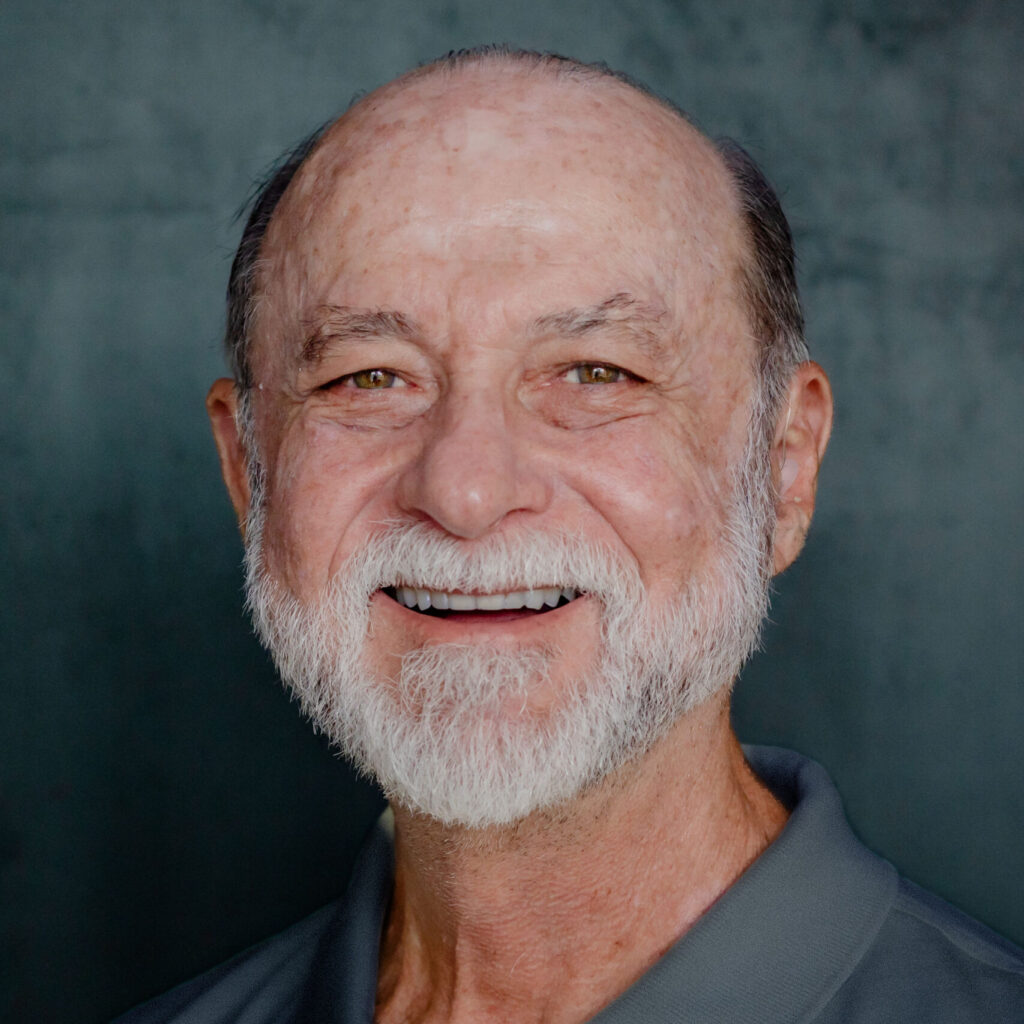
Pedro Prado
Pedro Prado, 77, born in Brazil, graduated in clinical psychology in 1971 and worked and taught body oriented psychotherapy, in a neo-reichian somatic approach. In 1981 he was trained as a Rolfer and added the Structural Integration perspective into his practice. He was the first Rolfer in Brazil and dedicated himself to making Rolfing available in his country. Pedro founded the Brazilian Rolfing Association (ABR) of, and became an Advanced Rolfing and Rolf Movement Instructor for the Dr. Ida Rolf Institute (DIRI), in Boulder Colorado, where he has been teaching since 1991.
In 2000 the Brazilian Rolfing Association brought Peter Levine to Brazil and Pedro followed his inquiries into the somatic dimension of the psyche and incorporated SE into his practice. Pedro, in his pioneer personality, helped bring SE to Brazil and Latin America, and founded the Brazilian Association of Trauma (ABT). He became an Instructor for the Somatic Experiencing International (SEI), and has taught the Begining and Intermediate and Advanced levels since 2005. Pedro has developed a methodology named “Structural Stretches” that integrates SE and the Structural approach. Currently, Pedro has a private practice, teaches for both Institutions all around the world, and, in 2006 completed a PhD in Psychosomatics”
Ariel Giarretto
Ariel Giarretto, MS, LMFT, SEP, CMT, CSB is a body-oriented therapist, SE trainer, and Somatic Sex Educator. After completing her post-graduate education in counseling psychology, and licensed as a marriage and family therapist, she studied a wide variety of somatic therapies, and is primarily informed by Somatic Experiencing (SE), She was introduced to SE in 1999 had has been active in assisting Peter and other early teachers for many years. She became full-time teaching faculty in 2005, and trains and mentors practitioners all over the globe. Throughout the 90’s she was on staff at the Esalen Institute in Big Sur, CA as an active member of the community, a workshop and group leader, a private therapist and part of the bodywork and massage crew. In 2015, to integrate sexuality and the pelvis into the SE material, she certified as a Somatic Sex Educator, and now specializes in sexual abuse and gender-based violence, as well as all sexual challenges. She is the co-developer of “The Full Embodiment Model” which offers gentle, transformative workshops for people wanting to heal from the effects of sexuality/gender trauma, sexual abuse and disembodiment. She has extensive training in prenatal and birth therapy with Ray Castellino, as well as attachment and early developmental trauma, and has been a home birth “doula”, a dancer, a drummer, an athlete, a professional cook and baker, a fire-fighter and first responder, a world traveler and adventurer, a juggler and street performer, and is particularly fond of her dogs Freya and Lyra, her Green Cheek Conures, Tulip and Oscar, and of course her partner Jeffrey. Originally from the US, they are all currently based in Delft, Netherlands. Her practice is closed for personal sessions but she is available for consultations and offers ongoing online group consultations.


Home for all those who hold an expansive view of the human potential for healing and resilience.
Reserve your spot today
Whether you are exploring whether Somatic Experiencing® is the right fit for your work, seeking clarity about the training pathway, or ready to begin the program, we are here to assist you. Please complete the form below and a member of our team will be in touch to share further details, respond to your questions, and support you in taking the next step.